Quirky Christmas Clipart: A Designer’s Stitch Review
As an embroidery designer who has spent years translating digital art into thread, I approach every new machine embroidery design with a mix of excitement and skepticism. We have all seen those overly complex digital files that look stunning on a screen but turn into a tangled mess of bird nests on the fabric. When I first opened the file for Quirky Christmas Clipart, my immediate goal was to determine if this asset could survive the transition from pixel to stitch while maintaining its charm in a real-world commercial setting.
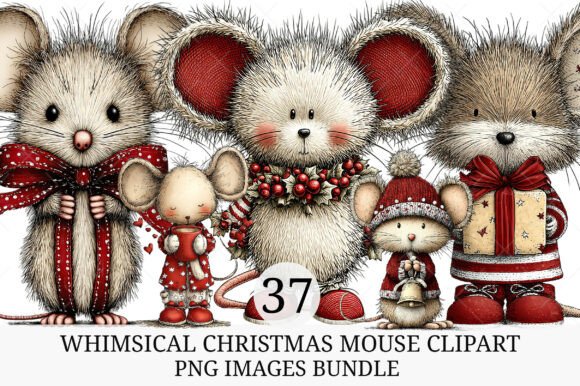
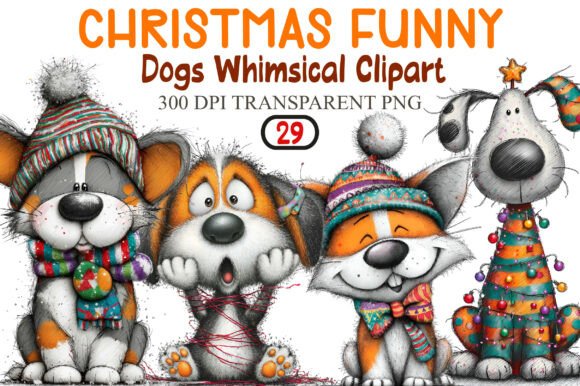
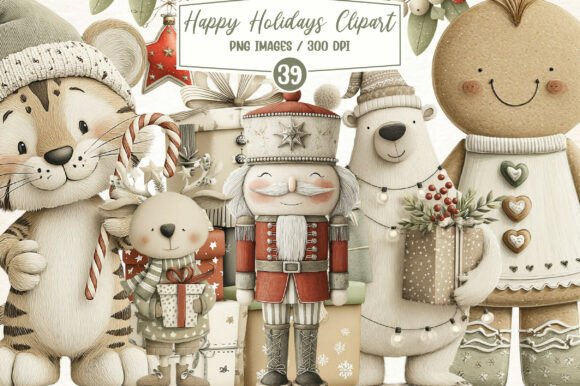
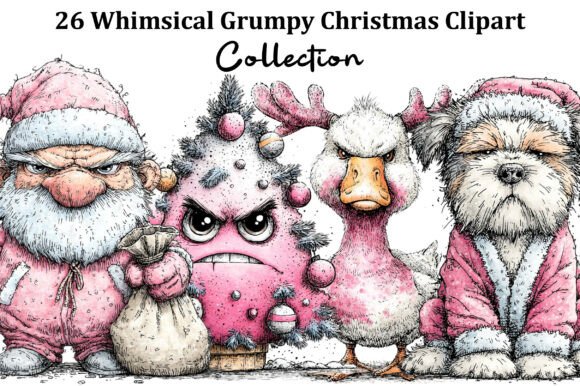
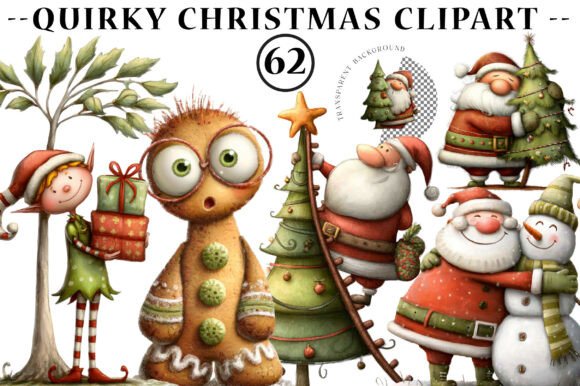
The first impression is crucial. This set of Illustrations carries a distinct mood that separates it from the generic, cookie-cutter holiday graphics flooding the market. The shapes are playful yet structured, suggesting a visual personality that leans toward whimsical rather than traditional. For an embroidery project, this is promising because clean, bold lines often translate better to thread than delicate, wispy details. However, the devil is always in the density. Before committing to a client order or stocking my Etsy shop with finished goods, I needed to see how these quirky elements held up under the needle.
Real-World Application: The Tote Bag Test
To evaluate the practicality of Quirky Christmas Clipart, I decided to run a test on a canvas tote bag. This is a staple product for any craft business during the holiday season. Customers love personalized, festive accessories, but canvas presents specific challenges due to its weave and weight. I selected one of the central characters from the clipart set, focusing on a design with moderate detail to see how the stitch density interacted with the fabric texture.
The result was surprisingly robust. The design did not pull the fabric excessively, which is a common issue when using heavy fill stitch areas on lighter materials. By using a medium-weight cut-away stabilizer, the embroidered patch remained flat and crisp. The visual appeal was immediate; the quirky nature of the character added a touch of humor and warmth that standard snowflakes simply cannot achieve. For a small shop product, this kind of unique branding helps items stand out in a crowded marketplace. It feels less like mass-produced merchandise and more like a thoughtful personalized gift.
Versatility Across Product Lines
Beyond tote bags, the versatility of this digital embroidery file extends to various custom apparel options. I envision these designs working exceptionally well on sweatshirts, where the thicker fabric can support slightly denser stitching without distortion. A small, quirky motif placed on the left chest of a hoodie creates a subtle yet stylish look that appeals to younger demographics looking for holiday embroidery that isn’t overtly cheesy.
For baby embroidery, caution is required. While the cute aesthetic fits nursery decor perfectly, parents prioritize comfort. If you plan to use these illustrations on baby onesies or blankets, you must ensure that the back of the stitching is smooth and that no scratchy trim or excessive stabilizer remains against the skin. In this context, simplifying the design or using a softer running stitch outline might be preferable to heavy saturation.
Etsy sellers and handmade shop owners will also find value in using these assets for embroidered patches. Patches are a low-risk way to test new designs because they can be ironed or sewn onto various garments later. The bold outlines in Quirky Christmas Clipart lend themselves well to the satin stitch borders often used in patch creation, providing a clean edge that prevents fraying.
Navigating Technical Challenges
While the design is strong, it is not without its pitfalls. Designers must be mindful of where they place these graphics. On curved surfaces like caps or hats, the distortion can warp the quirky expressions, making them look unintentionally distorted. If you are doing sweatshirt embroidery or cap work, always digitize or adjust the placement carefully to account for the curve.
Another critical factor is fabric choice. On thin or stretchy fabrics, the thread colors and stitch density can cause puckering. I recommend avoiding large, solid fill areas on lightweight jersey knits unless you are experienced with topping and high-quality stabilizers. Additionally, tiny details in the clipart may get lost if the hoop size is too small or if the needle size is not appropriate for the thread weight. Always inspect small corners and intricate lines in your software before hitting start.
Commercial Value and Brand Consistency
From a business perspective, using distinctive design assets like Quirky Christmas Clipart enhances brand consistency. When customers recognize a specific style, they build trust in your handmade product quality. This clipart set offers a cohesive look that can be applied across a range of items, from kitchen towels to pillow covers, creating a unified collection for your boutique.
However, professionalism dictates that we verify licensing. Before selling finished items or using these as printable mockup elements for digital products, confirm the license terms provided with the download. Some creators allow unlimited commercial use for physical goods but restrict digital resale. Understanding these boundaries protects your commercial embroidery business from legal issues and ensures you are respecting the original artist’s work.
Practical Notes for the Embroiderer
Before launching a full production run, follow these steps to ensure success:
- Test on scrap fabric: Never skip this step. Check how the applique design or standard stitch-out behaves on your specific material.
- Check contrast: Review the design in black and white to ensure the shapes are distinguishable even without color. This helps in selecting the right thread colors for dark or light fabrics.
- Verify hoop size: Ensure the design fits comfortably within your machine’s hoop, leaving enough margin for stabilization.
- Inspect stitch density: If the design feels too heavy, consider reducing the density in your editing software to prevent fabric stiffness.
- Confirm licensing: Double-check whether the embroidery file permits use in mass production or if it is limited to small batch craft business operations.
In conclusion, Quirky Christmas Clipart is a viable and charming addition to any designer’s library. It bridges the gap between fun illustration and functional embroidery, provided you respect the technical limitations of your machine and materials. Whether you are creating a single finished product for a friend or stocking inventory for the holiday rush, this design offers the playful edge that modern consumers crave. Just remember: great embroidery is 50% design and 50% execution. Treat this clipart with the care it deserves, and it will elevate your seasonal offerings significantly.