Reviewing the Christmas Line Art Bundle for Embroidery
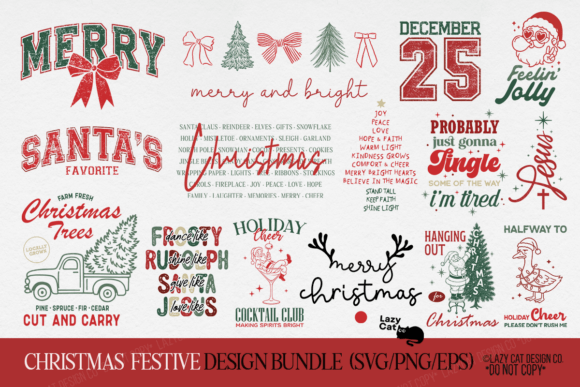
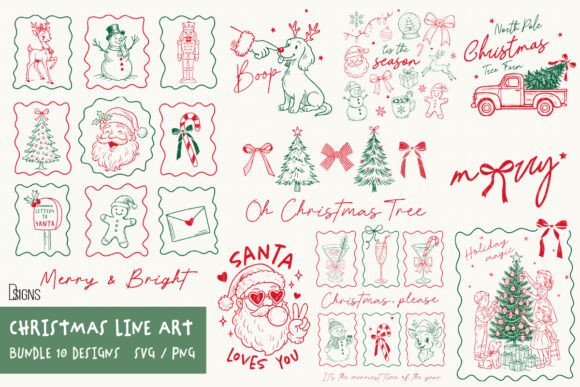
As a designer who has spent countless hours digitizing and stitching out holiday motifs, I approach new design assets with a mix of curiosity and caution. The market is flooded with festive graphics, but few translate seamlessly from screen to needle. Recently, I evaluated the Christmas Svg Png Line Art Bundle to determine its viability for real-world embroidery projects. This isn’t just about whether the lines look pretty on a monitor; it’s about how they hold up under the tension of a hoop, the texture of fabric, and the scrutiny of a paying customer.
First Impressions: Minimalism Meets Holiday Warmth
The immediate appeal of this Illustrations collection lies in its restraint. Unlike dense, multi-colored designs that require frequent thread changes and complex underlay structures, line art relies on clarity and flow. The mood here is modern yet nostalgic, evoking the simplicity of hand-drawn cards. For an Etsy seller or boutique owner, this aesthetic fits perfectly into the current trend of minimalist home decor and understated custom apparel.
Visually, the shapes are clean. There is no unnecessary clutter, which is crucial when converting vector paths into stitch files. However, "clean" in SVG format does not automatically mean "easy" in embroidery. My first step was to assess the continuity of the lines. Broken or overly thin paths can cause machine errors or result in flimsy stitching that pulls out during washing. Fortunately, the core structures in this bundle appear robust enough to be adapted into stable running stitch or light satin stitch outlines.
Real-World Application: The Tote Bag Test
To truly understand the value of the Christmas Svg Png Line Art Bundle, I imagined a specific scenario: producing a run of holiday tote bags for a local craft fair. Tote bags are typically made from canvas or heavy cotton, fabrics that have a distinct weave and texture. A dense fill stitch design might look impressive but can make the bag stiff and uncomfortable to carry. Line art, conversely, allows the fabric’s natural texture to show through, creating a sophisticated, integrated look.
In this context, the bundle’s designs would serve as excellent tote bag design elements. I visualized placing a simple wreath or star motif on the lower corner of the bag. The open nature of line art means less thread consumption and faster production time, which directly impacts profit margins for a small shop product. Furthermore, because the design is not overly dense, it remains flexible, ensuring the bag doesn’t pucker excessively around the hoop size area.
Versatility Across Product Lines
Beyond totes, this bundle shows promise for various handmade product categories. Consider sweatshirt embroidery. Heavy fleece can be tricky; too much density leads to bulkiness. A delicate line art design stitched in a contrasting thread color creates a striking visual without adding unwanted weight. Similarly, for baby embroidery, softness is paramount. Parents prefer items that feel gentle against skin, and lightweight stitching achieves this better than heavy fills.
For those selling digital embroidery file adaptations, these vectors provide a strong foundation. You can resize them easily for embroidered patch creation or scale them down for subtle accents on caps and hats. The key is maintaining proportion. What looks balanced on a pillow cover may disappear on a curved cap brim, so testing scale is essential.
Navigating Technical Challenges
While the aesthetic is strong, practical execution requires attention to detail. Line art is unforgiving of poor stabilization. On stretchy fabrics like jersey knits used in t-shirts, a single line of stitching can distort if not properly supported. I recommend using a cut-away stabilizer for garments that will undergo frequent washing, ensuring the finished product retains its shape.
Another consideration is thread colors. In a fill design, color blending can hide minor imperfections. In line art, every stitch is visible. High contrast between the thread and fabric is usually best for readability, but tonal variations can create a subtle, elegant effect. I advise testing the design in black and white mockups first to ensure the lines remain distinct regardless of color choice. Also, be cautious with very small details. If a line is thinner than the width of your needle or the minimum stitch length your machine can handle, it may not stitch out correctly. Always check the smallest elements in the bundle against your machine’s capabilities.
Fabric and Surface Considerations
Not all surfaces are created equal. On textured fabrics like linen or burlap, the needle may skip or the thread may sink into the weave. Here, a slightly heavier thread or a topping stabilizer might be necessary to keep the machine embroidery design crisp. Conversely, on smooth satin or silk, the sheen of the thread can enhance the line art, making it look luxurious. However, slippery fabrics require extra hooping care to prevent shifting.
Dark fabrics present another challenge. Light-colored threads on dark backgrounds can sometimes look sparse if the stitch density is too low. You might need to adjust the stitch density or use a double-pass running stitch to ensure the line appears solid and continuous. This is where the flexibility of having the original SVG comes in handy—you can tweak the path thickness before digitizing to accommodate these needs.
Commercial Viability and Brand Consistency
For commercial embroidery professionals, consistency is key to building trust. Using a cohesive set of designs, like those found in the Christmas Svg Png Line Art Bundle, helps establish a recognizable brand style. Customers appreciate a curated look, whether they are buying a personalized gift or a piece of holiday embroidery for their home. The professional presentation of clean lines suggests quality, which can justify higher price points.
Moreover, these assets are valuable for creating printable mockup previews for online listings. Since the source files are high-resolution vectors, you can generate crisp images for your Etsy shop or website without pixelation. This enhances the perceived value of your digital or physical products, leading to better buyer engagement.
Final Designer Notes
Before committing to a large production run, always stitch out a test sample on scrap fabric identical to your final material. Check for puckering, thread breaks, and overall clarity. Verify the licensing terms of the Christmas Svg Png Line Art Bundle to ensure it covers commercial use if you plan to sell finished items. While the bundle provides excellent raw material, the final quality depends on your digitizing skills and machine setup.
In summary, this collection offers a versatile, modern approach to holiday design. It respects the limitations of embroidery while leveraging its strengths. For designers willing to put in the technical prep work, it is a valuable addition to their toolkit, capable of elevating everything from simple kitchen towels to high-end boutique branding items.